
Cibola County Arrest Records and Court Charges
Arrest records describe the arrest-side event: the agency involved, the person taken into custody or cited, the alleged offense at that stage, booking or intake facts when available, bond or warrant connection, and the custody channel. Court charge records describe what gets filed after arrest: the complaint, information, indictment, citation, charge label, case number, first appearance, court location, prosecutor action, and current status in the case.
Those records can differ. An arresting agency may use one alleged offense label, while the Thirteenth Judicial District Attorney's Office may file, decline, amend, reduce, or add charges. The full case outcome belongs in the criminal case file; custody status belongs with detention and inmate channels. Cibola County did not publish an official public jail roster in the sources reviewed, so a court charge search often needs Case Lookup, the court docket, CoreCivic intake, sheriff records, and DA/court contact information together.
The Cibola County Sheriff's Office page is the source for local law-enforcement contact information.
The sheriff source matters for arrest-side records because court charge data does not replace law-enforcement records or custody confirmation.
How to Find Cibola County Arrest Records and Charges
Start by deciding which fact is being checked. For court charges after arrest, use New Mexico Case Lookup and search by defendant name, case number, court type, court location, or date. For booking or custody, contact the Cibola County Correctional Center through CoreCivic main 505-285-4900 or intake 505-285-4979, because no official county jail roster was found. For sheriff-held records, use Cibola County IPRA or sheriff records contacts.
- Identify the arresting or citing agency if known: sheriff, Grants Police, Milan Police, New Mexico State Police, tribal law enforcement, or federal agency.
- Search Case Lookup by name, case number, or DWI search if the issue is a court charge or court outcome.
- Check the appropriate court for first appearances or hearings: Magistrate, District, Grants Municipal, or Milan Municipal.
- Call CoreCivic main or intake when the question is current custody or booking status rather than a filed court charge.
- Compare the DA filing decision and court disposition before treating a charge label as final.
The Cibola County Sheriff's Office staff directory is the source for the records-clerk and sheriff contact image.
Staff-directory details support the records request path when arrest information is held by the sheriff rather than the court.
Arrest Agency to Court Case
Cibola County's law-enforcement and court landscape is layered. The DA office identifies local law-enforcement partners including the Cibola County Sheriff's Office, Acoma Pueblo Police Department, Grants Police Department, Laguna Pueblo Police Department, Milan Police Department, Pine Hill-Ramah Navajo Police Department, and New Mexico State Police. Federal, ICE, USMS, tribal, county, city, and village channels can all matter depending on the arrest or custody type.
After arrest or citation, a first appearance or related hearing may occur in Magistrate Court, Municipal Court, or District Court depending on the charge level and venue. Cibola County Magistrate Court handles misdemeanors, traffic, DWI/DUI, and felony preliminary matters. District Court handles felony cases and higher-level criminal proceedings. Grants and Milan Municipal Courts handle ordinance, traffic, petty misdemeanor, and DWI/DUI matters inside their limits.
How Charges Get Filed After an Arrest
The charge record begins when an offense is filed in court. The research identifies complaints, informations, and indictments as common criminal charging terms. A complaint is an initial civil pleading or criminal charging document. An information is a formal criminal charge filed by a prosecutor. An indictment is a formal felony charge issued through a grand jury process. The court docket can then show arraignment, motions, plea, disposition, and sentence.
| Complaint | Information | Indictment | |
|---|---|---|---|
| Core Meaning | Initial charging document | Formal prosecutor-filed charge | Grand-jury felony charge |
| Where It Appears | Court case file or docket | District Court criminal file | District Court criminal file |
| Why It Matters | Starts or frames the accusation | Shows prosecutor filing choice | Shows grand jury charging action |
The Thirteenth Judicial District Attorney pre-prosecution diversion page is the source for the prosecutor-program image.
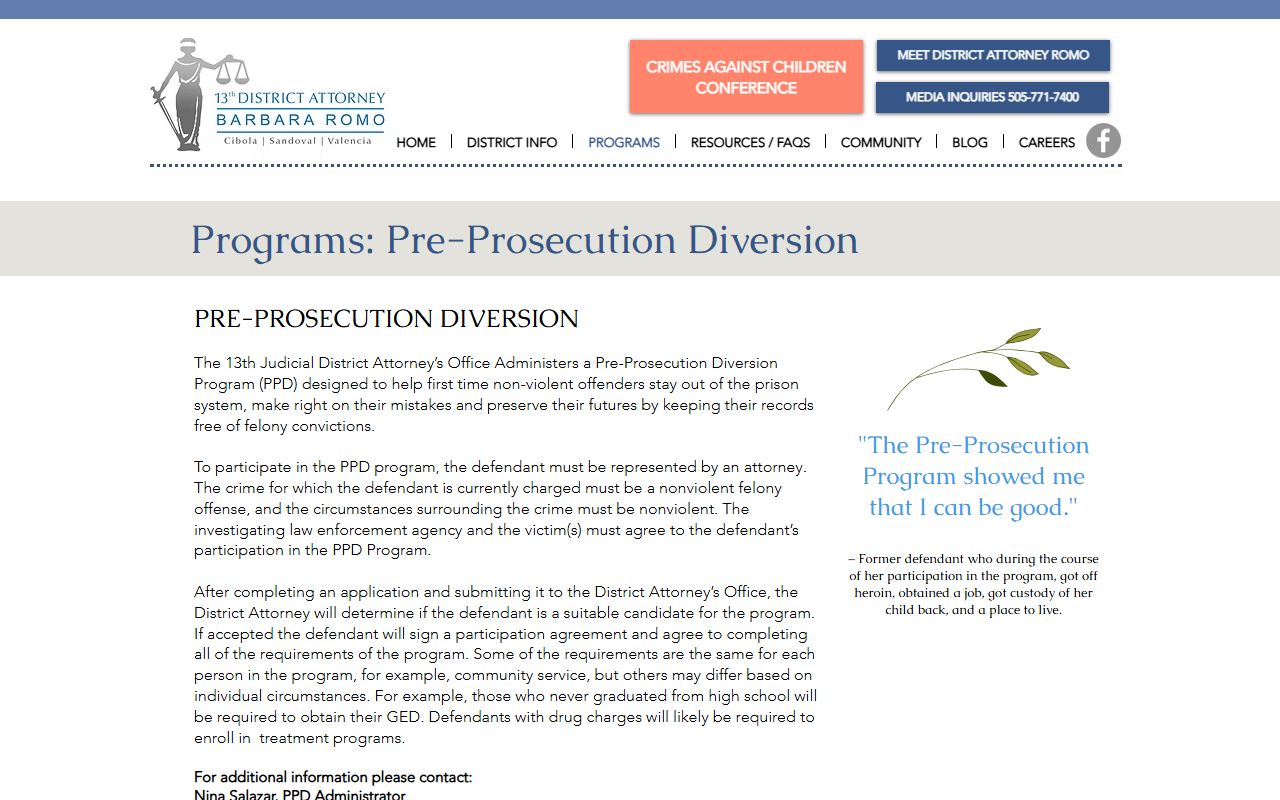
Diversion information shows why a filed charge may not end with a standard conviction and sentence path.
Charge Status and What It Means
Charges can change after filing. A case may begin with one alleged offense and later show amended charges, a reduced charge, added counts, dismissal with prejudice, dismissal without prejudice, conviction, sentence, probation, or restitution. The docket and disposition fields matter more than the first visible arrest or charge label.
| Status | What It Means |
|---|---|
| Pending | The charge has been filed and no final disposition is shown in the captured court record. |
| Amended / Reduced | The charge label or level changed after filing, often through prosecutor action, plea negotiation, or court order. |
| Dismissed with prejudice | The charge or case was dismissed and generally cannot be refiled. |
| Dismissed without prejudice | The dismissal may allow refiling depending on law and circumstances. |
| Convicted / Guilty | A plea or finding established criminal guilt for that charge. |
| Sentence entered | The court imposed punishment or terms such as jail, probation, fines, fees, restitution, or treatment. |
District Attorney Charging Role
The Thirteenth Judicial District Attorney's Office serves Cibola, Valencia, and Sandoval Counties. The Cibola County office is at 700 E. Roosevelt Avenue, Suite 30, Grants, NM 87020, with phone 505-285-4627. The DA decides whether and how referred criminal allegations proceed in court. That role is the key difference between an arrest-side allegation and the court charge record.
The DA's Pre-Prosecution Diversion Program is designed for first-time nonviolent felony offenders. Eligibility details captured in the research include attorney representation, a nonviolent current charge and circumstances, agreement by the investigating agency and victim, DA approval, and a signed participation agreement. Requirements may include community service, GED work, treatment, or individualized terms. Contact listed in the research is Nina Salazar, PPD Administrator, NSalazar@da.state.nm.us, 505-228-4968.
The DA victim assistance page is the source for victim-notification information.
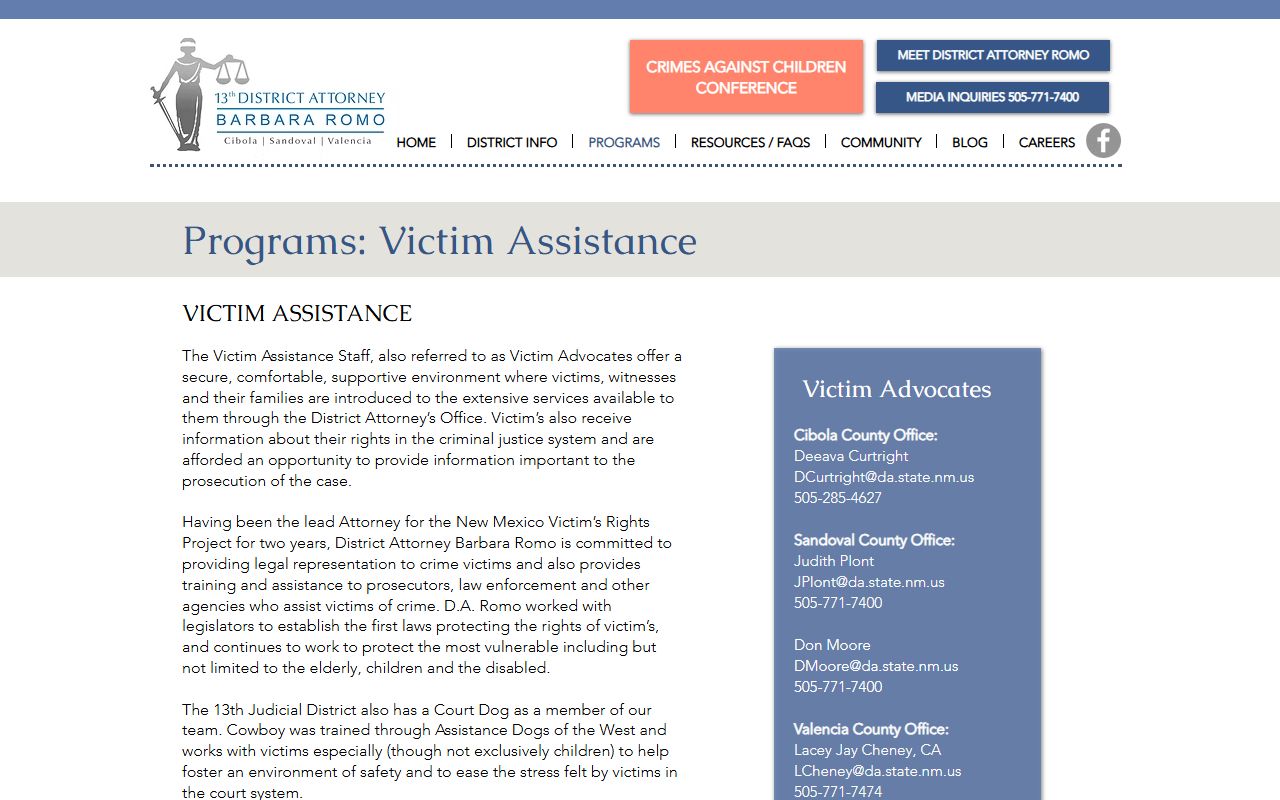
Victim-assistance information belongs with charges after arrest because victims may need DA notification separate from VINE or court docket searches.
Jail Intake and No Roster Gap
No official public Cibola County jail roster or inmate lookup was found in the official sources reviewed. The county detention page directs users to CoreCivic, Cibola County Correctional Center, 2000 Cibola Loop, Milan, NM 87021. The main number is 505-285-4900, and intake is 505-285-4979. ICE detainee information for the facility may be requested by calling 505-285-4900 between 8 a.m. and 4 p.m., according to the ICE facility source captured in the research.
Custody channel matters. ICE detainees should be searched through the ICE Online Detainee Locator by A-Number and country of birth or by biographical information. NMCD Offender Search covers people incarcerated or supervised under NMCD and expressly does not cover county or city detention facilities. VINELink / NM VINE provides custody and case notification and may require re-registration after transfers.
Charges vs. Convictions
Being charged is not the same as being convicted. A charge is an accusation or prosecutor-filed allegation. A conviction is an outcome after a guilty plea, trial verdict, or qualifying finding. Cibola arrest records and charge records can show allegations that were dropped, amended, reduced, dismissed, or resolved through diversion or other proceedings.
| Charge | Conviction | |
|---|---|---|
| Stage | Before final outcome | After plea, verdict, or finding |
| Record Meaning | Shows what was alleged or filed | Shows criminal guilt for a specific offense |
| Status Risk | May later be amended, dismissed, or reduced | May still be appealed, expunged, or subject to sentence terms |
Sealed vs. Expunged Records
Sealed records are restricted from ordinary public access. Expungement under New Mexico's Criminal Records Expungement Act can limit public release of eligible arrest and criminal records, but the research notes that criminal records are not destroyed and may remain available for future criminal proceedings and some regulated-employment purposes. Tribal and federal records cannot be expunged under the New Mexico Criminal Record Expungement Act.
| Sealed | Expunged | |
|---|---|---|
| Public Visibility | Restricted by court order, case type, or policy | Public release limited when a qualifying order is granted |
| Record Status | Record still exists but is not ordinarily public | Record is not destroyed under the handout summarized in research |
| Limits | Juvenile, protection, mental health, adoption, sealed, and confidential categories may be restricted | Eligibility depends on offense, sentence completion, waiting periods, fines/fees, and statutory exclusions |
Charge Codes and Severity Levels
Court charge records may show a statute, ordinance, case category, or charge description. The research did not capture a Cibola-specific public glossary for every criminal case category code, so case-category meanings should not be invented. The safer method is to compare the court name, charge text, docket entries, and disposition, then contact the court clerk if the abbreviation is unclear. One arrest can produce several separate court charges, and each charge can have a different status.
Statewide Charge and Criminal History Lookups
New Mexico DPS handles law-enforcement records and expungement information, while New Mexico Courts handles court case records. The New Mexico Courts IPRA page states that courts do not conduct public criminal background checks and do not maintain law-enforcement records. That boundary matters in Cibola County because a user may need sheriff records, court charges, DPS criminal-history material, NMCD custody information, ICE detainee lookup, VINE notifications, or DA victim-notification registration depending on the exact question.
The Public Defender application page is the source for defense-application information after charges are filed.
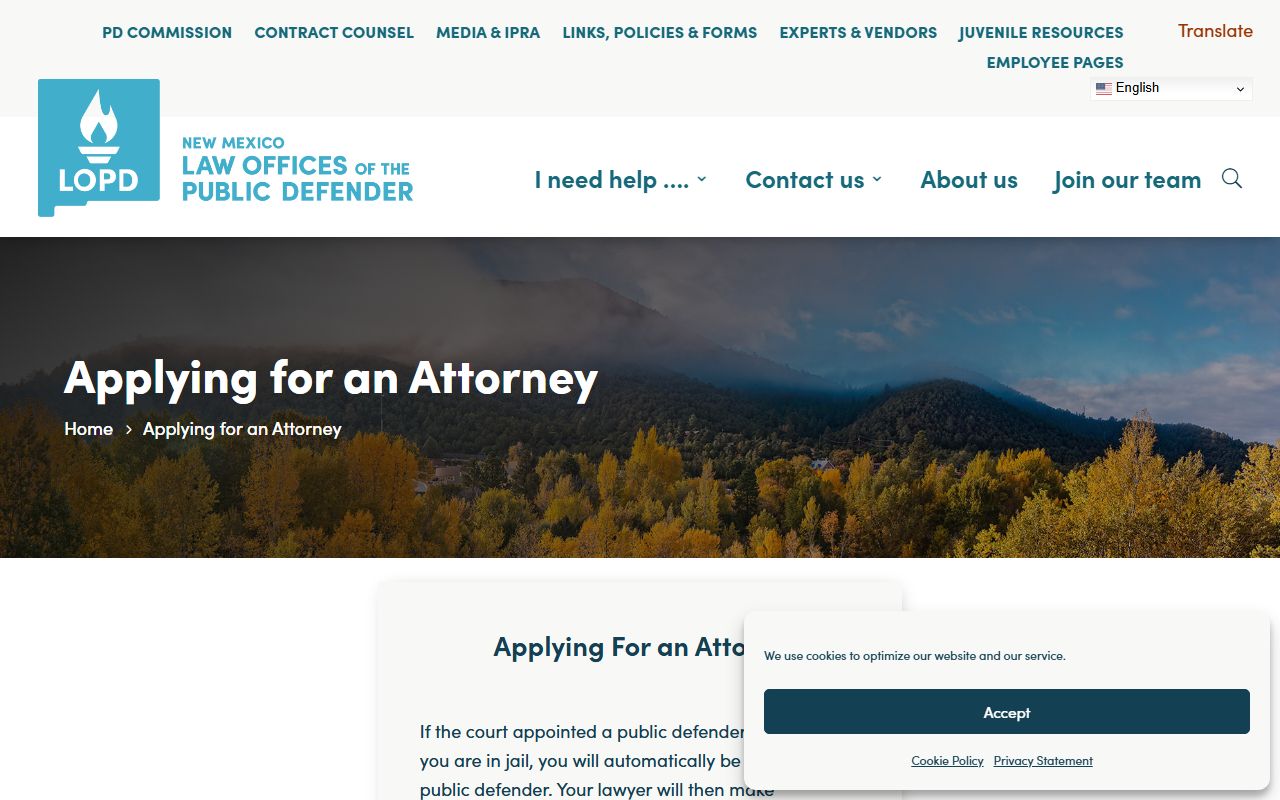
Defense-application details are relevant after charges are filed because appointed counsel may become part of the court case process.
Sex Offender Registry Is a Separate Search
The sheriff page links Cibola OffenderWatch/SheriffAlerts, and the National Sex Offender Public Website is another registry channel. These are not arrest-record or court-charge databases. They are registry searches for qualifying sex-offender information, and they should not be used as a substitute for Case Lookup, court dockets, sheriff records, or custody confirmation.
The National Sex Offender Public Website is the source for separate registry-search information.
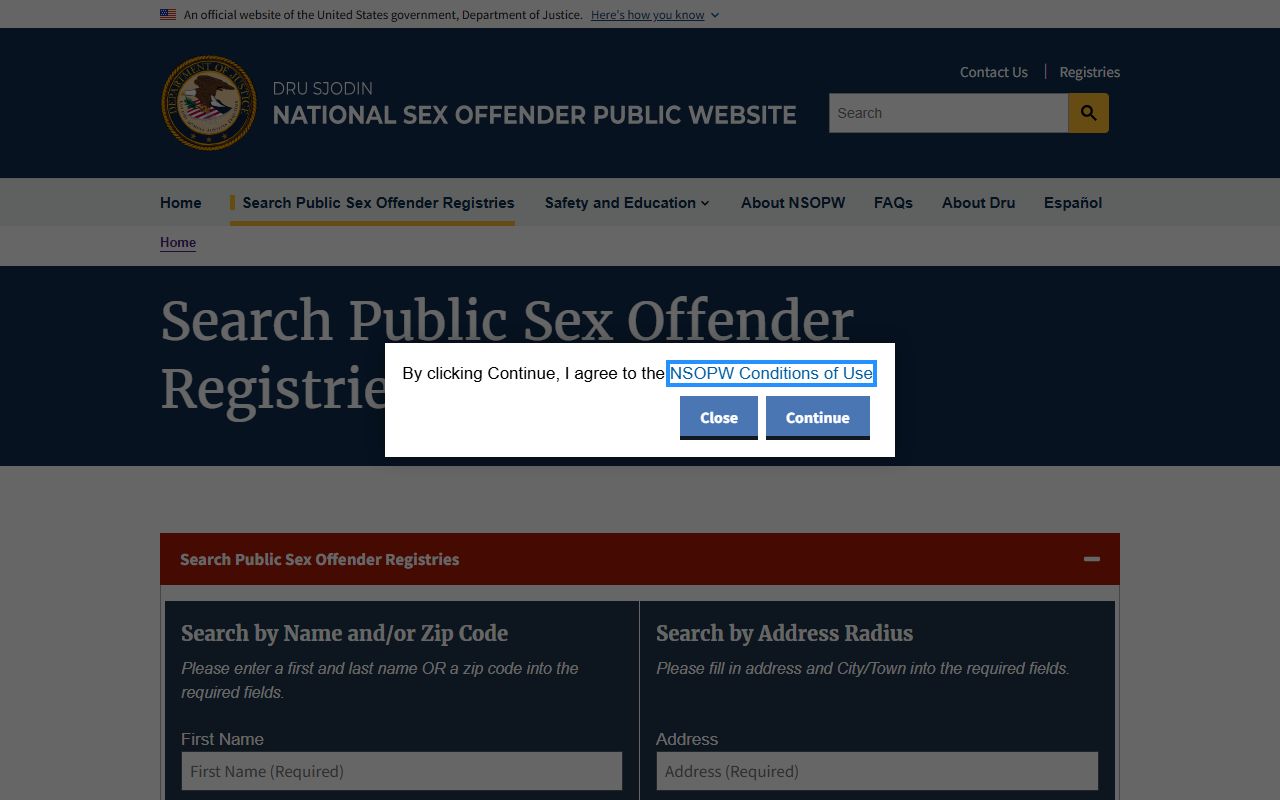
The registry source is included to clarify that registry records are a separate public-safety channel, not the same as arrest charges or full criminal case files.
Restricted Charge Records in Cibola County
Juvenile criminal cases are not displayed on Case Lookup after July 1, 2007, and Family Violence Protection Act order-of-protection cases are not displayed after July 1, 2008. Sealed, expunged, confidential, adoption, abuse/neglect, FINS, and mental health records are restricted by court policy and access tier. Search warrants may not be publicly searchable while active, and a no-result search does not prove there was no arrest, warrant, charge, or sealed proceeding.